Big Data, the heart-brain axis, and a lap around the Alster
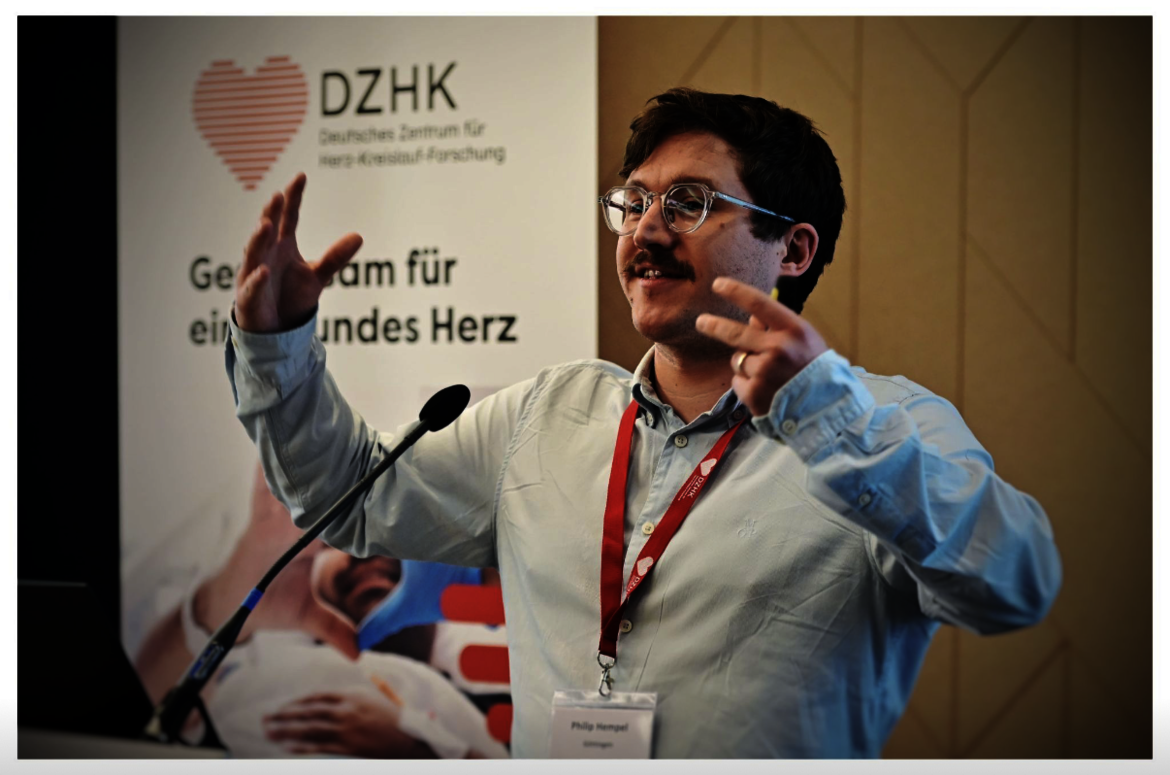
Beim Young DZHK und DZHK Retreat 2026 am 10. und 11. September in Hamburg war das Institut für Medizinische Informatik durch Dr. Philip Hempel (Biosignal Processing Research Group) vertreten – und mit Themen, die zeigen, wieviel ungenutztes Potential noch in elektrischen Herzsignalen (EKGs) stecken kann.
The focus was on the question of how vast quantities of existing routine ECGs could be utilized for AI. After all, hospitals possess millions of ECGs—yet far from every one of them is accompanied by a perfectly matching echocardiogram or a precisely determined left ventricular ejection fraction (LVEF) value. The idea was: Could one still learn from these large datasets and subsequently detect signs of impaired cardiac pumping function—the kind typical of heart failure?
The results are encouraging. Large routine datasets can help AI learn relevant patterns—even when the source data is not perfectly annotated. Of course, there is no substitute for rigorous clinical validation. In other words: big data is helpful, but even eleven million ECGs cannot replace a reality check.
A second topic led directly from the heart to the brain. Dr. Hempel presented so-called cerebral T-waves—distinctive ECG changes that can occur following acute brain disorders. The reasons behind this phenomenon and its clinical significance are not yet fully understood. Consequently, the presentation also served as a call for collaboration: anyone with relevant cases or data is encouraged to get in touch, as rare phenomena are better understood through collective effort than in isolation.
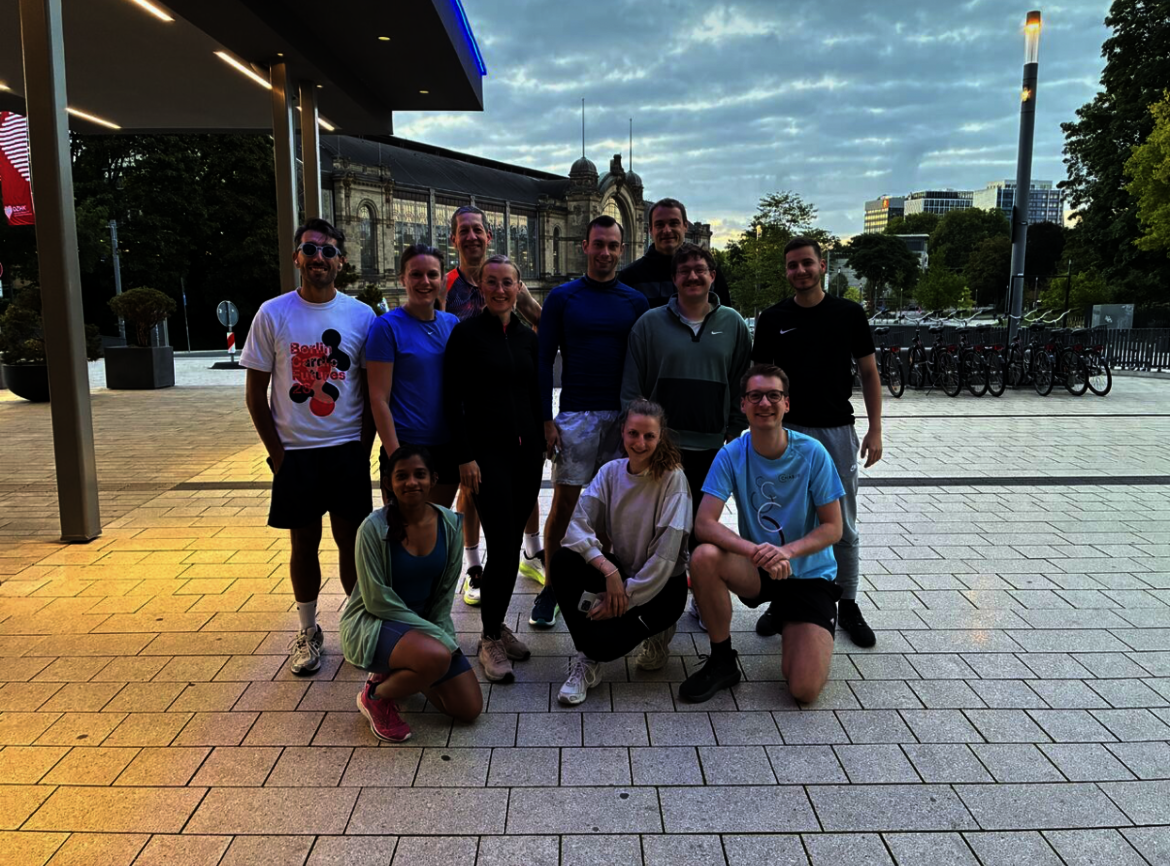
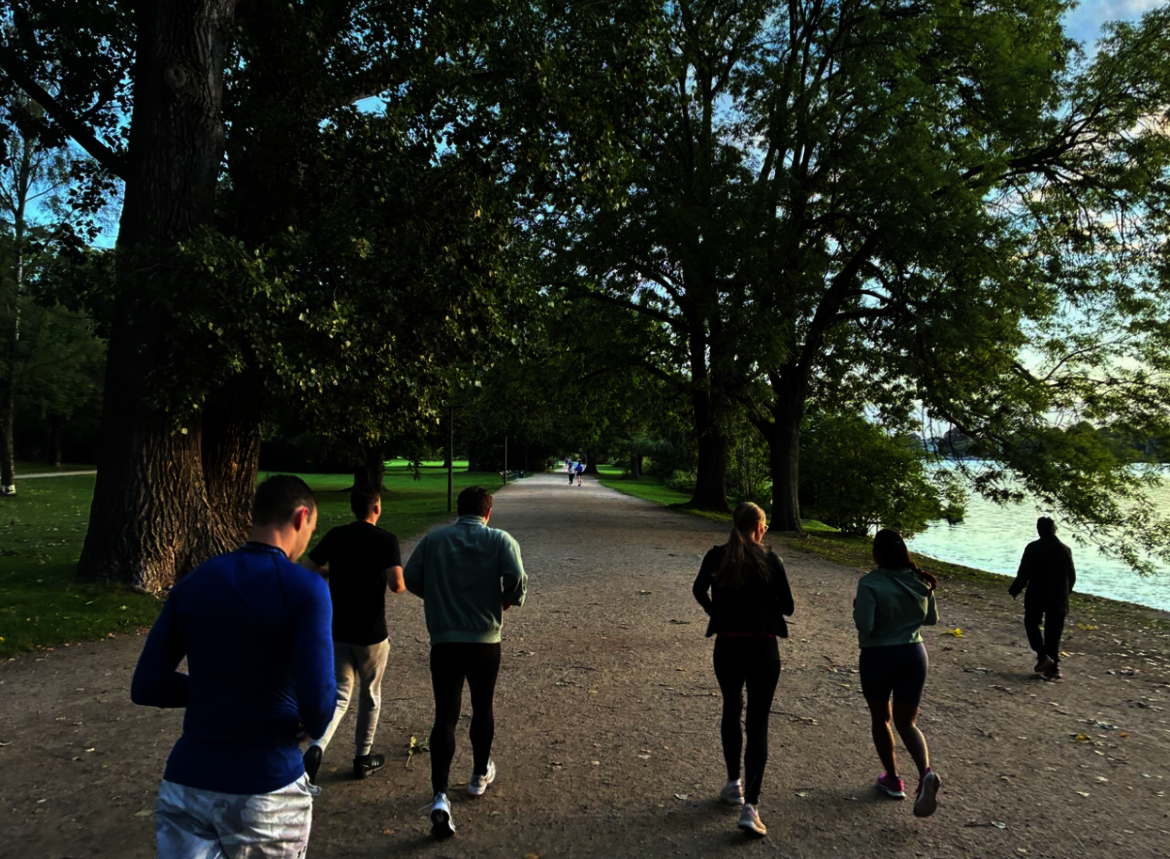
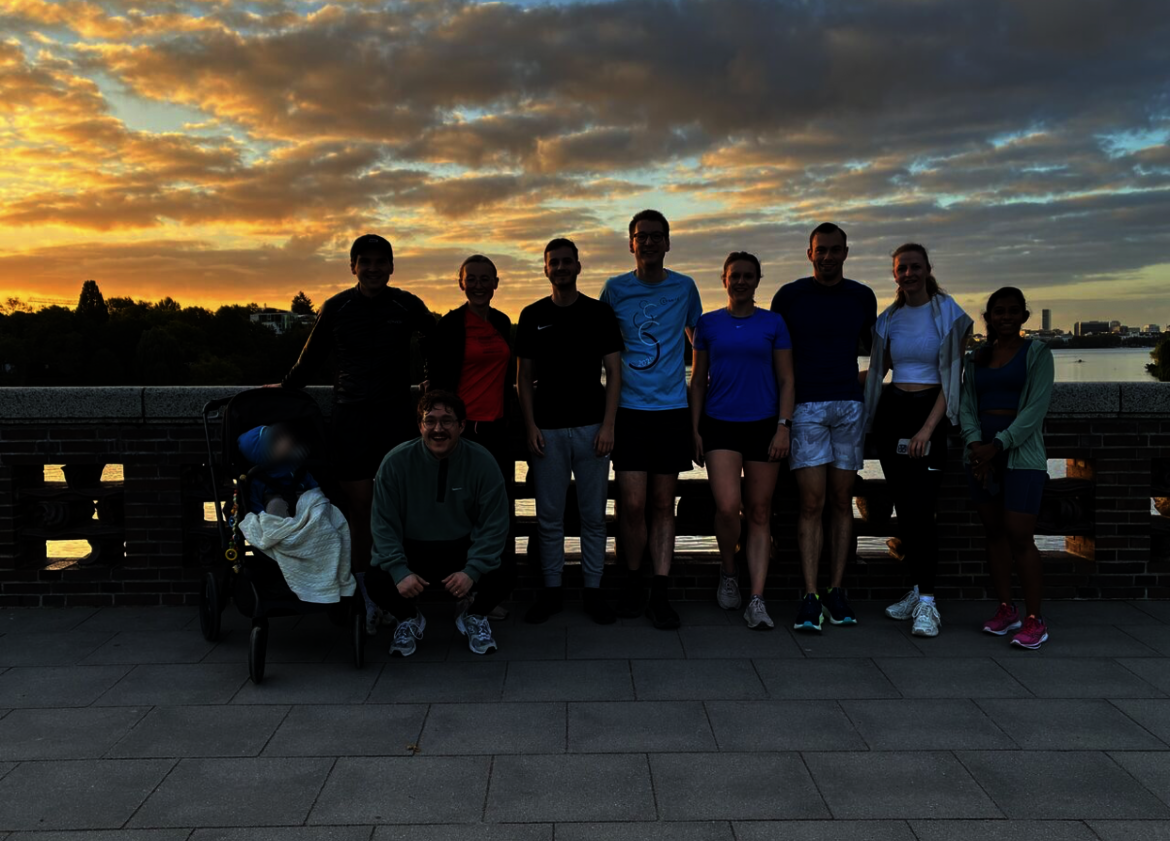
True to the spirit of prevention, Young DZHK didn’t just stick to theory. In the morning, the group headed to the Alster for a run. Instead of just talking about physical activity, they simply got moving—because prevention, such as exercise, remains the best weapon against any cardiovascular disease.
The retreat’s keynote also aligned surprisingly well with this central theme: the brain once again took center stage, with a focus on neurodegenerative diseases and new therapeutic approaches. Early detection is becoming increasingly important—particularly in the case of Alzheimer’s—because new therapies aim to intervene as early as possible in the course of the disease.
Ultimately, much of this came down to the same question: What can we learn from biosignals before diseases become clinically apparent? For us, that is precisely where an exciting intersection lies—between the heart, the brain, vast amounts of data, and AI.